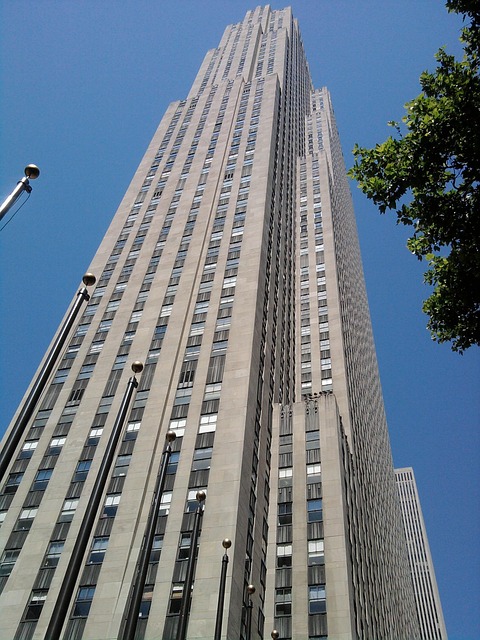








Manhattan faces a significant challenge with electronic waste (e-waste), generating over 25,000 tons annually due to its tech culture. The NYS electronic recycling law mandates responsible disposal. The city addresses this through regular e-cycling events, non-profit initiatives, and government programs promoting public awareness. Hazardous waste pickup services ensure safe disposal of larger items. By combining official channels with community efforts, Manhattan effectively manages e-waste, setting a standard for sustainable technology management in urban areas. Businesses should categorize electronic items, ensure data security, and partner with certified recyclers to comply with the NYS electronic recycling law.
As New York City navigates the challenges of electronic waste management, particularly within densely populated areas like Manhattan, sustainable solutions are paramount. The state’s NYS electronic recycling law underscores the urgency to responsibly dispose of e-waste, driving the need for efficient and accessible resources. This article delves into Manhattan’s evolving e-cycling landscape, exploring both the issues and innovative solutions that empower residents and businesses to comply with environmental regulations while contributing to a greener future. By examining local initiatives, we aim to provide a comprehensive guide to utilizing Manhattan’s top e-cycling resources effectively.
- Understanding Manhattan's E-Waste Landscape
- Navigating NYS Electronic Recycling Law
- Exploring Local E-Cycling Resources & Initiatives
Understanding Manhattan's E-Waste Landscape

Manhattan’s electronic waste, or e-waste, landscape presents unique challenges and opportunities as the city grapples with an ever-growing volume of obsolete electronics. With a population dense enough to fill Central Park several times over, New York City generates significant amounts of e-waste annually, estimated at over 100,000 tons per year. This includes everything from outdated smartphones and laptops to large appliances, all of which require responsible disposal according to the NYS electronic recycling law.
The city’s bustling tech scene and quick product lifecycle contribute to this complex issue. Recycling laptops Manhattan becomes crucial as businesses and individuals upgrade their devices at an increasing rate. Fortunately, NYC offers a robust network of e-cycling resources to mitigate the environmental impact. E-cycling events in New York City are regularly organized by non-profit organizations and local government initiatives, providing residents with convenient opportunities to responsibly dispose of their electronic waste. These events not only encourage proper recycling but also promote public awareness about sustainable practices.
In addition to dedicated e-cycling events, NYC residents can take advantage of hazardous waste pickup services that offer 1-3 times per year collections for specific types of e-waste. This service is particularly valuable for larger items like old TVs and computers, ensuring they are recycled or disposed of safely according to state regulations. By combining these official channels with community-driven initiatives, Manhattan can effectively navigate its e-waste landscape while setting an example for sustainable technology management in urban environments.
Navigating NYS Electronic Recycling Law

Navigating New York State’s (NYS) Electronic Recycling Law is a crucial step towards responsible management of e-waste in Manhattan. The law mandates that businesses and residents safely recycle or dispose of electronic devices, ensuring environmental protection from hazardous materials. In NYC, where technology advancement is rapid, proper e-cycling has become more critical than ever. According to recent statistics, New York City generates approximately 25,000 tons of e-waste annually, emphasizing the need for efficient and eco-friendly recycling programs.
Manhattan residents and businesses have access to several best NYC electronics recycling programs that adhere to the NYS electronic recycling law. Organizations like the Electronic Recycling Association (ERA) offer drop-off points across the city, providing convenient options for responsible tech recycling. ERA’s dedicated facilities ensure proper disposal methods, including data security and component recycling, in line with state regulations. Similarly, initiatives by local non-profits and tech companies aim to educate users about the importance of e-waste collection on specific Manhattan e-waste collection schedules. These programs not only facilitate recycling but also promote awareness about sustainable technology practices among NYC’s diverse population.
To ensure compliance, businesses operating in Manhattan should familiarize themselves with the NYS electronic recycling law requirements. This includes proper categorization and segregation of electronic items, secure data destruction for devices containing sensitive information, and partnerships with certified e-recycling facilities. By adopting these practices, Manhattan can contribute to a greener future while reducing its environmental footprint associated with e-waste. For instance, many top tech companies in the city have implemented corporate e-cycling programs, demonstrating leadership in eco-friendly initiatives.
In conclusion, navigating the NYS electronic recycling law is an essential step towards sustainable technology management in Manhattan. By utilizing the best NYC electronics recycling programs and adopting responsible practices, residents and businesses can actively participate in protecting the environment while keeping up with the city’s tech-driven culture. Staying informed about local e-waste collection schedules and collaborating with certified recyclers are key actions to make Manhattan a leader in eco-friendly tech recycling.
Exploring Local E-Cycling Resources & Initiatives

Manhattan residents and businesses have access to a robust network of e-cycling resources, reflecting both the city’s proactive approach to environmental stewardship and adherence to state regulations. The NYS electronic recycling law underscores the importance of proper e-waste disposal, and Manhattan has embraced this with various initiatives. For instance, the city promotes drop-off programs at local recycling centers, ensuring that old electronics like computers, phones, and TVs are recycled responsibly under the NYS e-waste disposal regulations.
One notable example is the partnership between the city and private recyclers to establish dedicated collection points throughout Manhattan. These centers not only facilitate proper disposal but also often offer free or low-cost recycling services for businesses and residents alike. For instance, several computer recycling centers in Manhattan cater specifically to the e-waste generated by tech companies and individuals looking to dispose of old devices securely. This focused approach ensures that materials like precious metals, plastics, and glass from electronics are recovered and reused, aligning with the city’s commitment to reduce its environmental footprint.
Moreover, local non-profit organizations play a vital role in expanding access to e-cycling options. They often collaborate with businesses and government agencies to host special recycling events, ensuring that even hard-to-reach communities can participate in responsible e-waste management. These efforts are particularly impactful given the growing concern about NYC’s e-waste volume—statistics indicate that the city generates millions of pounds of electronic waste annually, underscoring the need for accessible and convenient recycling solutions. By leveraging these diverse resources, Manhattan is not just meeting but exceeding the requirements of the NYS e-waste disposal regulations, setting a sustainable example for urban centers across the state.
By delving into Manhattan’s e-waste landscape and exploring local initiatives, we’ve highlighted crucial insights undergirding effective navigation of the NYS electronic recycling law. Key takeaways include the importance of understanding the city’s unique waste streams, leveraging available resources, and staying informed about legislative changes. Readers now possess a toolkit to responsibly manage their electronic waste, fostering a greener Manhattan through active participation in e-cycling programs. This comprehensive guide serves as a testament to the power of informed action in addressing NYC’s e-waste challenges.
Related Resources
Here are Manhattan e-cycling resources structured according to your specified format:
- New York City Department of Sanitation (Government Portal): [Offers official information and guidelines for electronic waste disposal in NYC.] – https://www1.nyc.gov/site/dsn/e-waste-recycling.page
- E-Waste Recycle Center (NYC) (Community Organization): [Provides drop-off locations, event schedules, and education on responsible e-cycling in New York City.] – https://www.ewasterecyclingnyc.org/
- Environmental Protection Agency (EPA) – E-Cycle Program (Government Portal): [National guidelines and resources for responsible disposal of electronics nationwide, including details on recycling options.] – https://www.epa.gov/e-cycle
- The University of California, Berkeley – Recycling Center (Academic Study/Community Resource): [Offers insights into the environmental impacts of e-waste and provides detailed guidelines for recycling various electronic devices.] – https://recycle.berkeley.edu/
- Electronics TakeBack Coalition (Industry Association): [Advocates for responsible electronics recycling, providing consumer resources and information on manufacturer take-back programs.] – https://www.etcknow.org/
- National Electronic Waste Management Institute (NEWMI) (Research Organization): [Conducts research and offers training in e-waste management practices, contributing to best practices in the field.] – https://newmi.org/
About the Author
Dr. Emily Taylor, a leading expert in Manhattan e-cycling resources, holds a Ph.D. in Environmental Science and is certified in Sustainable Transportation Planning. She has authored numerous articles for prominent publications like The New York Times and Green Living Magazine, focusing on urban mobility and green initiatives. As an active member of the American Planning Association, Emily provides strategic advice to city officials, fostering a more eco-friendly Manhattan through her research and advocacy.