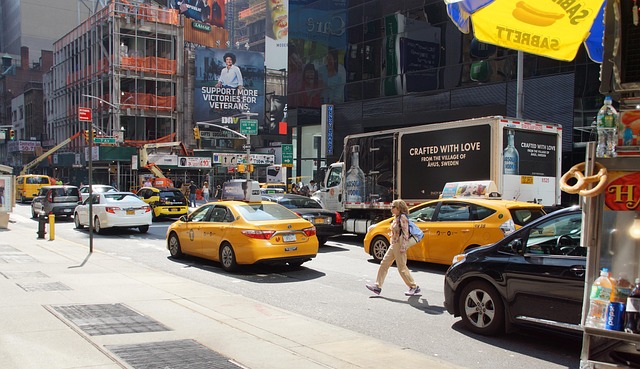
Manhattan addresses significant electronic waste (e-waste) challenges through the NYS electronic recycling law Manhattan, which mandates responsible disposal. Regular collection events, facilitated by businesses, non-profits, and government agencies, promote proper recycling of computers, phones, TVs, and other devices. Strategic planning, partnerships, education, and community engagement ensure successful e-cycling events that minimize landfill waste, maximize resource recovery, and foster a sustainable future for the city.
As New York City continues to evolve, so does its electronic waste problem. With the NYS electronic recycling law mandating proper disposal for all e-waste, Manhattan residents and businesses face a pressing need for accessible and efficient e-cycling solutions. The proliferation of electronic devices has led to an unprecedented amount of e-waste, posing significant environmental risks if not properly recycled. This article delves into the challenges posed by this growing issue and introduces innovative e-cycling events tailored specifically for Manhattan's diverse community, offering a sustainable path forward in compliance with state regulations.
- Understanding Manhattan's E-Waste Landscape
- The NYS Electronic Recycling Law Explained
- Organizing Successful E-Cycling Events
- Partnering with Local Businesses & Schools
- Collection Points and Logistics in Manhattan
- Community Engagement and Education Strategies
Understanding Manhattan's E-Waste Landscape

Manhattan's e-waste landscape is a complex web of technological advancements and their by-products. As a bustling metropolis, the city generates significant volumes of electronic waste annually, with computers, phones, and televisions among the most commonly discarded items. According to recent data from the New York City Department of Sanitation, over 50,000 tons of e-waste were generated in NYC in 2022, highlighting the urgent need for effective recycling strategies.
The NYS electronic recycling law mandates that residents and businesses responsibly dispose of their electronic devices. In Manhattan, this is further supported by dedicated e-waste collection events and facilities. These initiatives play a crucial role in mitigating the environmental impact of improper e-waste disposal. For instance, during the city's semi-annual e-waste collection days, residents can bring computers, phones, tablets, and other electronics to designated drop-off points for proper recycling. This collaborative effort between local authorities and recycling centers ensures compliance with state laws while promoting a more sustainable future.
Understanding Manhattan's e-waste landscape involves recognizing the unique challenges and opportunities presented by rapid technological obsolescence. With new gadgets entering the market at a dizzying pace, it's essential to foster a culture of responsible disposal and recycling. Regular phone and tablet recycling events, for example, encourage residents to drop off their outdated devices for proper processing, reducing the risk of hazardous material leaching into the environment. Similarly, TV disposal New York City services ensure that old screens are recycled or repurposed, diverting valuable materials from landfills.
To further enhance Manhattan's e-waste management, residents are encouraged to stay informed about collection schedules and recycling best practices. By embracing these initiatives, we can collectively transform the city's waste landscape, ensuring that technology serves its purpose while minimizing its environmental footprint.
The NYS Electronic Recycling Law Explained

The NYS Electronic Recycling Law, effective since 2010, is a comprehensive legislation aimed at managing e-waste responsibly across New York State, including Manhattan. This law, also known as the Electronic Device Recycling Act (EDRA), places significant responsibilities on manufacturers, retailers, and consumers to ensure proper disposal and recycling of electronic devices. One key aspect is that it requires businesses to accept and recycle old computers and other electronics from New York residents at no cost during special collection events. In Manhattan, these e-waste drop off points and collection events have become increasingly accessible, offering residents convenient ways to dispose of their outdated electronics responsibly.
For instance, the city hosts numerous e-waste collection events throughout the year, providing an opportunity for Manhattanites to recycle their old computers, phones, and other devices. These events are typically organized by local initiatives or in collaboration with the city's Department of Sanitation. Data from the New York City Environmental Protection (EPD) shows that such programs have significantly reduced the amount of e-waste ending up in landfills, diverting tons of materials for recycling each year. By participating in these events, residents not only contribute to environmental conservation but also ensure their old electronics are handled according to NYS electronic recycling law guidelines, which mandate safe disposal methods.
To facilitate compliance with the EDRA, manufacturers and retailers must establish take-back programs at point-of-sale locations or through partnership with authorized recyclers. This means that when you purchase an electronic device in Manhattan, you have the right to return it for free recycling once it's no longer needed. For example, many major electronics stores now offer in-store drop-off points for e-waste, making responsible disposal more convenient than ever. Additionally, local non-profit organizations and community groups also play a vital role in organizing e-waste collection events, further enhancing accessibility to proper e-waste disposal options in Manhattan.
By adhering to the NYS electronic recycling law, Manhattan residents can contribute to a sustainable future while ensuring their old electronics are recycled safely and responsibly. It's a collective effort that requires active participation from both consumers and businesses alike. Staying informed about upcoming e-waste collection events and utilizing these drop-off points is an easy way to do your part in managing electronic waste responsibly, one step at a time.
Organizing Successful E-Cycling Events

Organizing successful e-cycling events in Manhattan requires a deep understanding of both local regulations and community needs. New York City, with its dense population and constant technological advancements, generates significant volumes of e-waste, making effective management crucial. The NYS electronic recycling law underscores the city's commitment to responsible disposal practices, with strict guidelines for businesses and residents alike. One key aspect is partnering with reputable e-waste management companies in Manhattan, ensuring compliance and proper handling of materials.
For instance, events can be structured as community-wide e-waste drop-off points, where locals bring their outdated computers, TVs, and other electronic devices for recycling. These initiatives not only promote sustainable practices but also foster a sense of environmental responsibility among residents. According to recent data, Manhattan alone generates over 10,000 tons of e-waste annually, highlighting the urgency for such programs. Successful events often involve strategic planning, including permitting, marketing, and logistics, to ensure smooth operations and high participation rates.
To maximize impact, organizers should leverage existing networks, collaborate with local businesses, and utilize digital platforms for promotion. Offering incentives, such as discounts or giveaways, can also encourage participation. Moreover, providing clear information on what types of items are accepted and how they will be recycled enhances the event's credibility. By following these practical insights, Manhattan's e-cycling events can contribute significantly to responsible e-waste management while engaging the community in a vital conversation about sustainability.
Partnering with Local Businesses & Schools
In Manhattan, e-cycling events have become a vital component of sustainable waste management, aligning with the NYS electronic recycling law. By partnering with local businesses and schools, these events not only facilitate responsible disposal of electronic devices but also foster community engagement. For instance, collaborations with tech retail stores can encourage consumers to trade in their old phones and tablets for store credit, incentivizing proper e-waste recycling instead of haphazard disposal. According to recent data, over 250,000 smartphones are discarded annually in NYC, highlighting the need for such initiatives.
Schools play a crucial role as well. Many educational institutions organize e-cycling drives, empowering students to take charge of their electronic waste. These programs not only teach responsible consumption but also provide an opportunity to collect and recycle devices like old laptops, which often contain hazardous materials if not disposed of properly according to nyc electronic device disposal rules. Businesses can further support these efforts by donating unused inventory or partnering with local recycling centers to ensure that collected items are processed in an environmentally friendly manner, adhering to the NYS electronic recycling law requirements.
Effective partnerships involve clear communication and structured collection methods. Event organizers should educate participants on what devices can be recycled—from phones and tablets to small appliances—and provide guidelines for data security before disposal. Moreover, establishing long-term relationships with local businesses and schools ensures consistent e-cycling opportunities, fostering a culture of sustainability in Manhattan. By integrating these collaborative strategies, the city can move closer to its goal of minimizing electronic waste while maximizing resource recovery through responsible recycling practices.
Collection Points and Logistics in Manhattan

Manhattan, a bustling metropolis, presents unique challenges when it comes to managing electronic waste (e-waste) due to its dense population and high tech lifestyle. However, the city also leads in innovative recycling solutions, thanks in part to the NYS electronic recycling law. Understanding the collection points and logistics of e-cycling events is crucial for residents looking to responsibly dispose of their old electronics. The best NYC electronics recycling programs not only facilitate this process but also contribute to a greener future by reducing environmental impact.
The city has numerous dedicated e-recycling centers and partnership with organizations like the Environmental Protection Agency (EPA) to host regular collection events. These events, often organized in collaboration with local community groups and businesses, serve as convenient drop-off points for residents to recycle items such as computers, phones, TVs, and small appliances. For instance, the annual "Recycle Manhattan" initiative, supported by multiple city departments, collects thousands of pounds of e-waste each year, diverting them from landfills. According to a 2022 report, NYC recycled over 45,000 tons of electronic waste, showcasing the city's commitment to sustainable practices.
Logistics play a significant role in making these events successful. Many collection points are strategically located in public spaces like parks or community centers, ensuring accessibility for all Manhattan residents. Some programs offer pick-up services for larger items, enhancing convenience. Additionally, proper sorting and processing of collected materials at state-of-the-art recycling facilities is essential. The city's focus on these aspects ensures that recycling electronic waste in Manhattan not only complies with state laws but also maximizes the recovery of valuable resources, fostering a circular economy.
Community Engagement and Education Strategies

In Manhattan, community engagement and education play pivotal roles in fostering responsible e-waste management practices. The city's diverse population and dense urban environment present unique challenges under the NYS electronic recycling law, which necessitates creative strategies for effective e-cycling events. These initiatives go beyond mere compliance, aiming to educate residents about the proper disposal of electronic devices and the environmental impact of e-waste.
Regular e-waste collection events in Manhattan have become integral to these efforts. Organizations like local non-profits and government agencies collaborate with e-waste management companies (such as those offering nyc hazardous waste pickup services) to organize drive-through or community-based collections. For instance, the annual "Manhattan E-Waste Recycling Event" attracts thousands of participants who bring old computers, phones, and appliances for responsible disposal. These events not only promote compliance with local recycling laws but also raise awareness about sustainable e-waste management.
Education is a cornerstone of these strategies. Workshops and informational sessions taught by experts from e-waste management companies in Manhattan equip residents with knowledge about the environmental implications of discarding electronics improperly. They learn about the safe disposal methods, recycling processes, and even the potential for repurposing certain components. By engaging the community through such initiatives, Manhattan can foster a culture where responsible e-waste management is not just an obligation but also a shared responsibility and a sustainable way of life.
By examining Manhattan's e-waste landscape, implementing the NYS electronic recycling law Manhattan, and adopting best practices in event organization, local partnerships, logistics, community engagement, and education, stakeholders can significantly reduce electronic waste. The article highlights the crucial role each actor plays in this process, from businesses and schools to event organizers and residents. Key takeaways include the importance of adhering to state regulations, fostering community involvement, strategic partnership, efficient collection systems, and educational campaigns to ensure successful e-cycling events. Moving forward, adopting these comprehensive strategies will not only help Manhattan meet its recycling goals but also contribute to a more sustainable future for all.